Your Trusted Local Fence Replacement Pros: Fast & Professional Service
Nearby fence replacement professionals provide a blend of speed and efficiency that can greatly enhance all types of properties. Their expertise in local regulations provides regulatory compliance, while their well-developed supplier networks reduce delays. Through hiring local experts, property owners not only gain access to quality materials but also help build ties within the community. However, knowing how to choose the most suitable expert and the impact of different fencing choices can be complex. Which factors deserve consideration next?
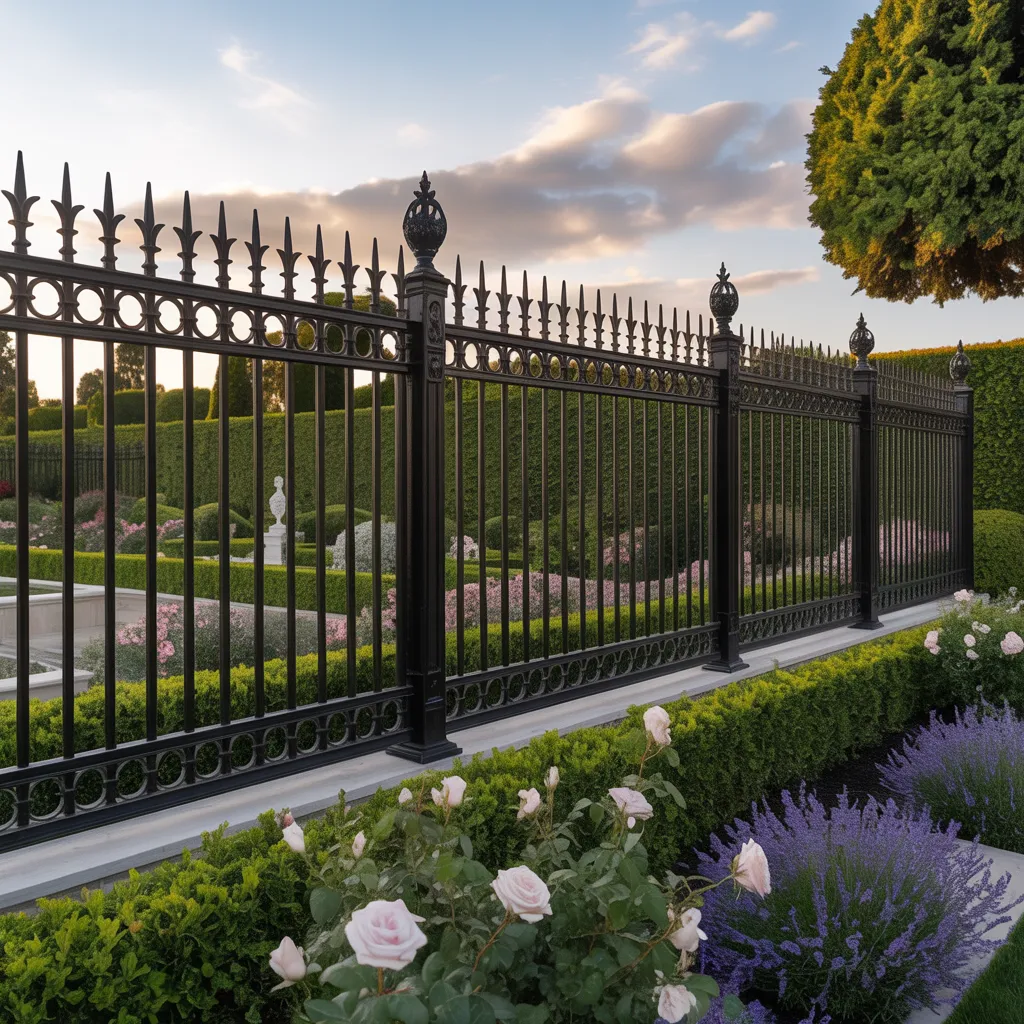
Advantages of Working with Local Fence Replacement Specialists
When homeowners seek to replace their fences, working with local professionals can provide considerable benefits. Local professionals possess a deep understanding of regional regulations and building codes, guaranteeing adherence throughout the installation procedure. Their familiarity with local materials and climate conditions allows them to recommend the best options for durability and aesthetics. Furthermore, local professionals frequently maintain strong connections with suppliers, which may result in lower expenses and more rapid access to necessary materials.
Furthermore, local professionals are generally easier to reach for follow-up services and consultations, building strong customer relationships grounded in trust and dependability. Homeowners benefit from their knowledge of neighborhood styles, making certain that the new fence blends seamlessly with the surrounding area. Moreover, supporting local businesses contributes to the community's economy, building a shared dedication to the neighborhood's progress. This merging of knowledge, convenience, and community value makes enlisting local fence replacement specialists an excellent option for homeowners.
How to Choose the Right Fence Replacement Professionals
How can homeowners guarantee they select the right fence replacement professional? Evaluating potential contractors involves several important steps. First, homeowners should seek recommendations from friends, family, or online reviews to gauge reputation and reliability. Next, verifying credentials is essential; professionals should be licensed, insured, and experienced in the specific type of fencing desired.
Homeowners should also request thorough written bids from a number of contractors, ensuring transparency in pricing and scope of work. Engaging in direct communication helps homeowners gauge responsiveness and professionalism. Moreover, looking into prior projects or client feedback gives valuable information about the contractor's standard of workmanship.
Ultimately, knowing the warranty and maintenance options offered can be essential for satisfaction over time. By thoroughly examining these considerations, homeowners can assuredly select a fencing replacement professional who meets their needs and expectations.
Evaluating Common Fencing Materials: Advantages and Disadvantages
Choosing the ideal fencing professional causes homeowners to evaluate the numerous materials presented for their new fencing. Each option comes with its own set of advantages and disadvantages.
Wood is popular for its organic appeal and flexibility but requires regular maintenance to avoid decay and pest problems. Vinyl delivers long-lasting performance and minimal upkeep, however it may cost more initially and may become brittle in extreme temperatures. Chain link fencing is budget-friendly and ensures safety but offers limited seclusion and curb appeal.
Aluminum is lightweight and rust-resistant but may not provide the same strength as other materials. Composite fencing merges the appearance of wood with the resilience of plastic, though it can be costly and may lose its color over time. Recognizing these advantages and disadvantages allows homeowners to make well-informed choices suited to their needs, finances, and regional climate, guaranteeing a worthwhile investment in their home.
What to Expect During the Fence Replacement Process
Throughout the fence replacement procedure, a preliminary consultation sets the stage for the project, enabling homeowners to communicate their needs and preferences. Following this, a detailed installation timeline is created, outlining key milestones and expected completion dates. Understanding these steps helps set realistic expectations for the overall experience.
First Consultation Process
What should homeowners know when hiring fence replacement specialists? Initially, homeowners can expect a thorough assessment of their property. Professionals will usually arrange a meeting to go over the preferred fence design, materials, and budget. In this session, specialists will examine property boundaries, existing features, and municipal guidelines that might influence the project. Homeowners are encouraged to express their preferences and any unique specifications. Once the meeting concludes, the specialists will present an estimate covering costs and completion timeframes. This phase also provides an opportunity for inquiries, giving homeowners confidence before moving forward. Essentially, the opening consultation lays the groundwork for a productive fence replacement, encouraging transparent communication and a cooperative relationship between the homeowner and the fencing specialists.
Installation Timeline Overview
When the consultation is finished, homeowners can expect a well-defined timeline for the fence replacement process. In most cases, the initial phase involves securing the required permits, which may take several days depending on local regulations. After this step, the installation team will set a date for the removal of the old fence, usually completed within a day.
Next, the placement of the fence begins, which can take anywhere from one to three days, according to the scope and intricacy of the work. Weather conditions and material availability may also affect the schedule. At the end, a post-installation inspection verifies that the new fence meets quality standards, finalizing the process. Property owners can count on consistent updates throughout to keep them informed at every stage.
Tips for Maintaining Your New Fence
Maintaining a newly constructed fence is important for its long-term performance and overall look. Regular inspections and timely repairs can prevent minor issues from becoming major problems. Additionally, appropriate cleaning methods and seasonal upkeep strategies will allow homeowners to maintain and protect their investment over time.
Periodic Inspections And Repairs
Routine inspections and timely repairs are essential for preserving the longevity and appearance of a new fence. Homeowners should regularly check for signs of wear, such as loose boards, rust on metal components, or deterioration in wood. Addressing minor issues promptly can prevent more significant damage and costly repairs later. It is advisable to inspect the fence after severe weather events, as high winds and heavy rains can impact its integrity. Moreover, assessing the posts and gates for steadiness confirms that they continue to function properly and remain secure. Keeping an eye on the surrounding landscape, such as overhanging branches or invasive plants, can also protect the fence from potential harm. Ongoing care ultimately enhances the fence's long-term appearance and trustworthiness.
Effective Cleaning Strategies
Cleaning a fence consistently promotes its long-lasting condition and boosts its overall look. To preserve a new fence, begin by clearing away buildup such as leaves and dirt with the help of a leaf blower or broom. For timber fences, a blend of gentle soap and water is suitable for washing away grime. A gentle brush is used to scrub persistent stains without damaging the timber. For metal or vinyl fences, a pressure washer can effectively wash away layers of dirt, though attention is needed to avoid excessive pressure that could cause harm. After washing, examining for signs of wear or damage is essential. Regular maintenance not only preserves visual beauty but also increases the life of the fence, ensuring it remains a beneficial addition to any property.
Seasonal Upkeep Advice
Routine cleaning establishes the basis for proper seasonal upkeep of a new fence. Homeowners ought to periodically check their fences for evidence of wear, such as loose boards or rusted hardware. In the spring season, it's helpful to eliminate debris and inspect for moisture damage brought on by winter weather. Warm weather upkeep can include applying a protective coating to wooden fences, guarding against rot and UV damage. As the autumn season begins, clearing leaves and branches is critical to avoiding moisture buildup. Prior to winter, a comprehensive inspection ensures that all required repairs are completed, protecting against harsh cold weather. By adhering to these seasonal tips, property owners can extend the lifespan of their fences, preserving both appearance and performance across all seasons.
Frequent Fence Maintenance Errors to Steer Clear Of
Ignoring regular fence upkeep can cause significant repair costs and shorten study the fence's lifespan. A frequent error many homeowners commit is not performing regular inspections of the fence for damage or deterioration. Overlooking these minor concerns allows problems like rot or rust to develop into major issues. Additionally, improper cleaning techniques, like using harsh chemicals or pressure washing, can damage the fence material. Another frequent error is neglecting to address vegetation growth; plants can trap moisture against the fence, leading to decay. Many homeowners fail to recognize the value of sealing and treating their wooden fences, which serves as a protective barrier against the elements. Additionally, disregarding local ordinances related to fence upkeep can lead to penalties or mandatory repairs. By recognizing these frequent errors, homeowners can implement preventive measures to prolong the life of their fences and preserve their property's visual appeal.
The Way Local Experts Guarantee Quality and Durability
A great number of homeowners seek the expertise of local professionals to ensure durability and quality in their fencing installations and replacements. Nearby specialists are well-versed in local weather conditions and materials, ensuring that the right choices are made for long-term durability. Their knowledge of area-specific codes and regulations also promotes adherence to standards, avoiding potential legal issues.
Additionally, skilled professionals regularly utilize high-quality products procured from established sources, which has a direct effect on the long-term quality of the fencing. Their expertise facilitates meticulous installation work, minimizing the risk of future repairs. Local experts additionally offer useful recommendations into upkeep strategies designed for particular climates, increasing the life of the fence.
Additionally, numerous give workmanship warranties, giving homeowners peace of mind. When homeowners choose local experts, homeowners take advantage of a combination of quality craftsmanship, tailored solutions, and strong community ties, each of which supports the total success of their fencing installations.

Frequently Asked Questions
How Long Does a Typical Fence Replacement Project Take?
A typical fence replacement project usually takes anywhere from one to three days, based on factors including the size of the area, the type of fencing materials chosen, and the weather conditions affecting the overall installation process.
What Permits Are Needed for Fence Replacement in My Area?
The permits needed for fence replacement can vary based on your location. Generally, homeowners ought to verify with their local zoning offices or municipalities to understand the applicable regulations, including height restrictions and property line considerations, so that all guidelines are met prior to commencing the work.
Can I Customize My Fence Design and Materials?
Certainly, fence designs and materials can often be customized to meet individual preferences. Homeowners have the option to pick from numerous styles, colors, and materials, allowing for unique aesthetics that complement their property while adhering to local regulations.
Do Local Professionals Provide Warranties for Their Work?
Nearby contractors generally include workmanship guarantees, making certain clients get superior service and quality materials. Such guarantees can vary in duration and coverage, offering reassurance to homeowners who are investing in fence replacements.
How Can Weather Conditions Influence the Fence Replacement Timeframe?
Weather factors greatly influence fence installation schedules. Snow, rain, or severe temperatures can set back installation progress, affecting soil conditions and material handling. Experienced local contractors regularly revise their timelines to copyright quality standards and safety during uncertain weather.