Highly Rated Fence Installation: Elevate Your Curb Appeal
Premium fence installation provides more than just perimeter establishment. It enhances a property's curb appeal, providing both aesthetic value and practical benefits. Various styles, from rustic wood to contemporary vinyl, suit different preferences. As homeowners consider their options, grasping the elements that affect installation and material choices proves critical. Ideal decisions can dramatically enhance a home's outer facade. However, the decision between hiring professionals or tackling the project independently raises important questions.
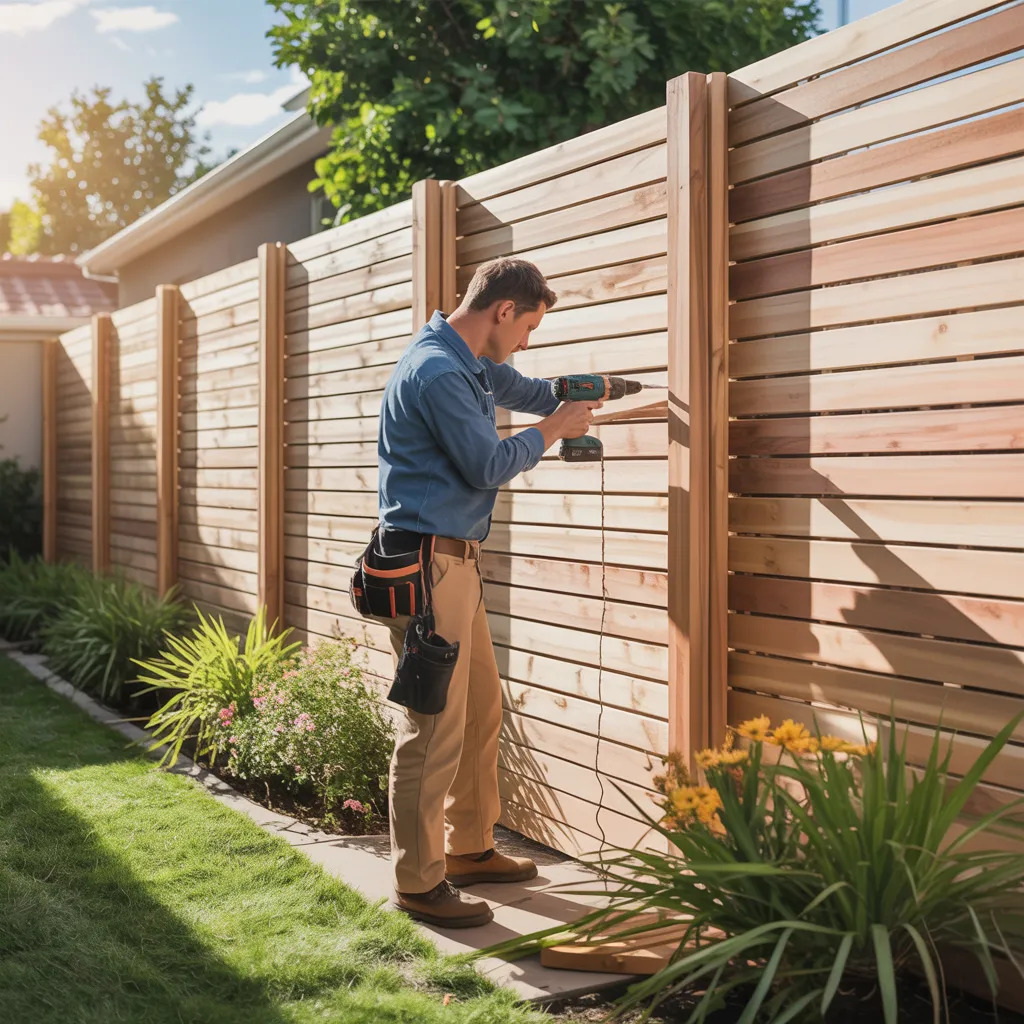
Discovering the Benefits of a High-Quality Fence
A premium fence delivers several key advantages that can greatly enhance the value and security of a property. By providing a clear boundary, it serves to outline the property's boundaries, discouraging trespassers and stray animals. This added layer of protection encourages a feeling of security for occupants and their property. Moreover, superior materials and expert workmanship provide lasting strength, minimizing repair and maintenance costs throughout the years.
Additionally, a expertly crafted fence can serve as an aesthetic enhancement, complementing the home's architectural style. It can guard outdoor spaces from environmental disturbances, creating a more pleasant environment for interests such as outdoor gatherings or gardening. Moreover, it can deliver privacy, allowing homeowners to unwind without concern for prying eyes. Overall, selecting a superior fence not only boosts protection but also elevates the overall appeal and functionality of a property, rendering it an excellent decision for homeowners pursuing ongoing improvements.
Well-Known Fencing Options That Boost Curb Appeal
When evaluating installing a fence, the style chosen can considerably boost a home's curb appeal. Classic wood fencing delivers an enduring elegance that pairs well with classic home designs, while modern vinyl options deliver a refined, minimal-upkeep option. Both styles cater to different aesthetic preferences and can elevate the overall look of any property.
Traditional Wood Fence Styles
Classic wooden fence styles deliver lasting charm that enhances curb appeal for any property. Such styles, including picket, split rail, and privacy fences, deliver an organic appearance that suits a wide range of architectural styles. Picket fences, featuring their classic vertical boards, establish an inviting ambiance, ideal for front yards. Split rail designs, commonly seen in countryside locations, offer a rustic appeal while remaining functional. Standing tall and solid, privacy fences not only provide security but also create a serene outdoor space. The flexibility of wood enables tailoring in height, color, and finish, enabling homeowners to reflect their personal style. In summary, traditional wood fence designs continue to be a top selection for those aiming to improve their home's outdoor appearance.
Today's Vinyl Options
Today's vinyl fencing solutions provide an array of attractive styles that can greatly enhance a home's visual appeal. Available in multiple colors and textures, vinyl fences can replicate classic materials such as wood or stone while delivering outstanding durability and easy maintenance. Popular styles include picket, privacy, and ranch rail, each catering to different aesthetic preferences.
Vinyl fencing is resistant to rot, fading, and pests, ensuring a long-lasting investment. Moreover, its adaptability in design permits homeowners to tailor heights and panel layouts to match their landscape. Therefore, today's vinyl fences not only deliver security and privacy but also improve the overall look of a home, making them a popular selection among thoughtful property owners.
Pick the Ideal Material for Your Fence
Choosing the right option for a fence is crucial for both practical use and visual appeal. Choices such as wood and vinyl provide unique benefits, while chain link offers a budget-friendly choice. Moreover, the longevity of metal fencing may be a key consideration in long-term planning.
Comparing Wood and Vinyl Fencing
When homeowners explore fencing alternatives, the discussion between wood and vinyl often arises due to the unique benefits and limitations of each material. Wood fencing offers a classic aesthetic and natural beauty, resonating with those who favor classic designs. It is highly adaptable and is often more affordable upfront. However, wood demands consistent upkeep to prevent rot and damage from pests.
In contrast, vinyl fencing is recognized for its durability and low maintenance, preventing fading, distortion, and deterioration. It typically carries a higher initial cost but may reduce expenses in the long run due to its extended lifespan. Property owners ought to consider their priorities, such as visual preferences, financial constraints, and willingness to maintain, to choose the most suitable choice for their fence installation requirements.
Chain Link Selections Available
Chain link fencing offers a viable choice for property owners looking for security and visibility without compromising affordability. This fencing option comes in various heights and gauges, permitting owners to pick choices that suit their needs. For those prioritizing aesthetics, vinyl-coated chain link offers a colorful alternative, complementing surrounding landscaping. Furthermore, property owners can select galvanized chain link to improve rust resistance, ensuring longevity. The installation process is generally straightforward, making it well-suited for DIY projects. With features such as privacy slats or decorative tops, chain link can be personalized to combine utility and aesthetics. All things considered, chain link fencing provides a versatile and economical choice for defining property lines.
Metal Strength Considerations
Selecting the appropriate fencing option entails recognizing the longevity of multiple alternatives. Metal fencing, particularly those made from aluminum and steel alloys, are known for their durability and resilience. Aluminum offers a lightweight design and rust resistance, rendering it perfect for seaside locations. Steel, while heavier and more robust, demands galvanization or coating to resist corrosion. In contrast, wrought iron, while visually attractive, demands regular maintenance to combat rust. Additionally, the metal's gauge is a critical factor; heavier gauges offer superior strength and longevity. In the end, considerations including climate, purpose, and upkeep requirements must direct the choosing process, ensuring that the chosen metal fence withstands environmental challenges as it retains its structural integrity across time.
Recognize Critical Elements for Installation Success
The success of fence installation depends on several key factors that can greatly impact the final result. To begin, choosing the appropriate materials is essential; various materials provide different levels of durability, upkeep needs, and visual appeal. Additionally, proper planning is essential, including evaluating the property lines and obtaining necessary permits to steer clear of legal problems.
In addition, accurate measurements and a well-thought-out layout establish that the fence correctly matches the landscape and adheres to the owner's specifications. Terrain and soil conditions also play an important role in installation success; they can affect the kind of foundation needed for structural stability.
Furthermore, weather conditions should be considered, as severe weather or rainfall can interfere with installation work. Lastly, careful attention during the installation process—such as straightening panels and anchoring posts—guarantees a sturdy and visually appealing fence. By addressing these factors, homeowners can greatly enhance the longevity and effectiveness of their fence installation.
Should You Hire Professionals or DIY Your Fence Installation?
When considering whether to hire professionals or tackle a DIY fence installation, homeowners often weigh their skills, budget, and time constraints. Choosing professional installation usually delivers high-quality outcomes, as seasoned professionals offer technical expertise and appropriate tools. This option may be ideal for those lacking the time or expertise to complete the project effectively. On the other hand, a DIY approach can be cost-effective, allowing homeowners to save on labor costs and engage in a rewarding task. However, this route demands a solid understanding of fencing materials, local regulations, and proper installation techniques. Homeowners must also factor in the time investment, since DIY projects often take longer than originally anticipated. Ultimately, the determination rests on unique circumstances, encompassing personal inclinations, project scope, and the resources at hand. Thoughtful evaluation of these elements will help homeowners arrive at the best decision for their fencing requirements.
Key Maintenance Tips to Keep Your Fence Long-Lasting
Keeping a fence's structural integrity and aesthetic appeal requires routine maintenance. Regular inspections are vital; property owners should check for signs of damage, rot, or deterioration. For wooden fences, applying a protective coating or sealant every few years can prevent moisture-related issues. Steel fences should be inspected for oxidation, and any affected areas should be sanded and painted promptly to preserve their condition.
In addition, maintaining the space around the fence free of debris and excess vegetation can reduce the risk of moisture accumulation and pest problems. It is also advisable to tighten any loose screws or bolts to keep the structure stable.
Scrubbing the fence on a routine basis, utilizing a light soap solution and a soft cleaning brush, helps maintain its appearance. Periodic seasonal care is critical; as a result, property owners should establish a schedule to secure the longevity of their fence structures. Adhering to these recommendations can greatly enhance the durability and aesthetic appeal of all types of fencing.
What You Can Expect in Fence Installation Costs
Comprehending fence installation costs is vital for property owners planning to enhance their land. The total expenses can fluctuate greatly based on a number of considerations, including the type of material chosen, the complexity of the installation, and the dimensions of the space requiring fencing. Common materials such as wood, vinyl, and chain link each carry varying price ranges.
Furthermore, labor costs can fluctuate based on local pricing standards and the expertise of the contractor. It is also important for homeowners to factor in potential permits and additional features, such as gates and ornamental additions, which can also affect the overall budget.
On average, costs range from $1,500 to $4,000 for standard installations. It is advisable for homeowners to obtain multiple quotes and examine the range of work needed to secure a complete understanding of their monetary commitment before going ahead.
Incorporating Fencing Into Your Landscape Design
Integrating fencing into landscape design not only enhances the aesthetic appeal of a property but also provides functional benefits such as privacy and security. A carefully selected fence can harmonize with existing plants, pathways, and outdoor structures, establishing a unified appearance. For instance, wooden fences can blend seamlessly with natural surroundings, while metal options offer a modern touch that pairs well with contemporary landscaping.
The style and color of the fence ought to blend with the general aesthetic of the outdoor space. Upright garden features or climbing plants can be integrated to ease rigid boundaries and introduce natural elements. Furthermore, thoughtfully arranged fencing can define areas, such as distinguishing landscaped sections from activity spaces.
In the end, deliberate integration of fencing solutions enhances not just the aesthetic appeal but also the utility of exterior areas, contributing to an inviting space that showcases the resident's personal taste and style.
Questions We Often Receive
What Permits Are Needed for Installing a Fence?
In most cases, property owners should acquire a construction permit before setting up a fence installation. Local zoning regulations might also necessitate special permits, most notably for property line boundaries or height restrictions. Contacting your insightful guide local authorities ensures alignment with all necessary regulations.
What Is the Typical Duration of Fence Installation?
Installing a fence generally requires one to three days, based on factors including the type of material, the size of the property, and weather conditions. Designs with greater complexity may take additional time to be completed.
Can Fences Be Installed in Winter?
It is possible to install fences in winter. The process, however, may present greater challenges owing to frozen ground and inclement weather. Skilled professionals typically adapt their approaches to secure stability and longevity during the winter months.
What Is the Expected Lifespan of Different Fencing Materials?
The typical longevity of fencing materials can vary widely: wood lasts 10-15 years, vinyl is known to last 20-30 years, chain link fencing generally has a lifespan of 15-20 years, and aluminum is capable of lasting 30 years or longer when properly maintained.
How Do I Pick a Fence Color That Goes Well With My Home?
To choose a fence color that suits a home, one should take into account the external color palette, structural style, and surrounding environment. Neutral tones often work harmoniously, while vibrant hues can create contrast and eye-catching appeal.